
Leather vs Silicone iPhone Cases: Which Lasts Longer?
May
Your iPhone case takes a beating every single day. Drops, scratches, pocket lint, hand sweat — it handles all of it so your phone doesn’t have to. But when it comes to choosing between leather and silicone, most people pick based on looks alone. That’s a mistake.
The real question isn’t which one looks better on day one. It’s which one still looks good — and still protects your phone — after 12 months of daily use. Let’s break down how leather and silicone actually hold up over time, based on material science and real-world wear patterns.
Durability: How Each Material Ages
Silicone Cases
Silicone starts soft and grippy. That’s its biggest selling point — and its biggest weakness. Within 3-6 months of regular use, most silicone cases show:
- Yellowing (especially on clear or light-colored cases)
- Lint and dust attraction that becomes permanent
- Stretched-out edges that no longer snap tight
- Surface peeling where your palm rests
Silicone degrades under UV exposure and body oils. The material breaks down at a molecular level, which is why that “soft touch” coating eventually gets sticky or flaky. Most silicone cases need replacing every 6-9 months if you care about appearance.
Leather Cases
Leather works differently. Instead of degrading, genuine leather develops a patina — a rich, darker tone that forms from natural oils and handling. A quality leather iPhone case at 12 months looks better than it did new.
Full-grain leather (the top layer of the hide) is remarkably tough. It resists punctures, doesn’t stretch out of shape, and actually becomes more supple without losing structural integrity. The fibers tighten over time rather than breaking apart.
The trade-off? Leather can scratch. But here’s the thing — minor scratches blend into the patina within days. They become part of the character rather than damage.
Feel and Grip
Silicone offers maximum grip out of the box. It’s almost sticky, which some people love and others find annoying (especially when pulling your phone from a tight pocket). That grip decreases as the surface wears smooth.
Leather provides a natural, warm grip that improves with use. As the material molds to your hand shape, it becomes more comfortable without getting slippery. It slides in and out of pockets easily while still feeling secure in hand.
Protection: Impact Resistance Compared
This is where things get nuanced. Neither material alone is the best shock absorber — that would be TPU or polycarbonate. But both offer meaningful protection in different ways:
| Factor | Silicone | Leather |
|---|---|---|
| Shock absorption | Good (flexible, disperses impact) | Moderate (dense, resists deformation) |
| Scratch protection | Excellent (soft surface won’t scratch phone) | Excellent (soft lining protects screen edges) |
| Corner drop protection | Good (bounces rather than cracks) | Good (especially with raised bezels) |
| Edge coverage | Full wrap typical | Full wrap with raised lip on quality cases |
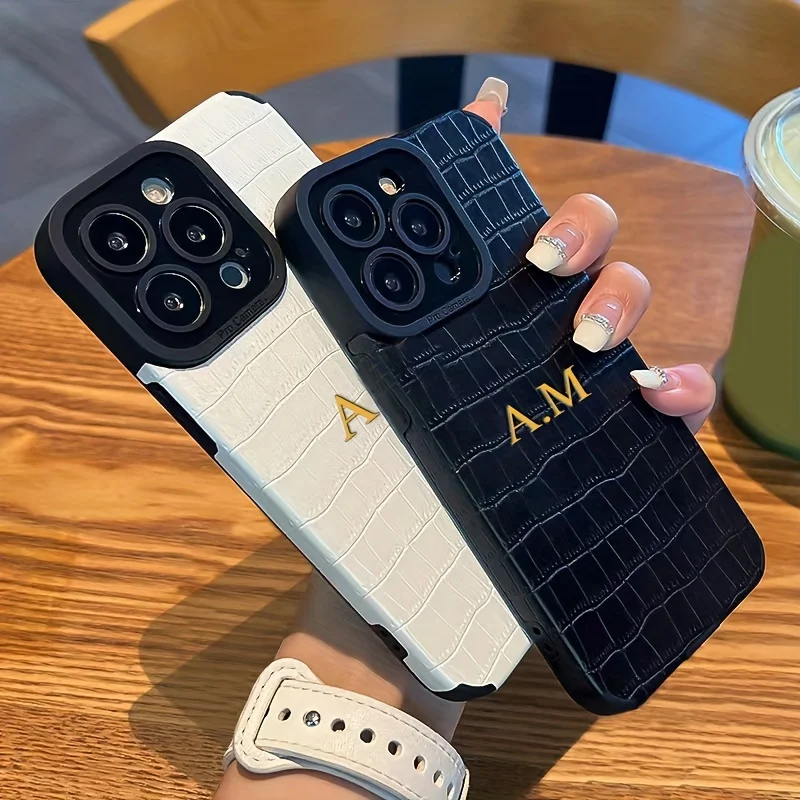
Modern leather cases like those from CaseLevo’s iPhone 16 Pro Max collection combine genuine leather exteriors with shock-absorbing inner layers, giving you the aesthetics of leather with protection that rivals dedicated rugged cases.
Environmental Impact
Silicone is a synthetic polymer derived from silica (sand) and hydrocarbons. It’s not biodegradable, though it’s more stable than plastic — it won’t leach chemicals as readily. However, the short replacement cycle (every 6-9 months) means more waste over time.
Leather is a natural material and a byproduct of the meat industry. A well-made leather case lasts 2-4 years, meaning fewer cases in landfills over the same period. The tanning process does have environmental costs, but vegetable-tanned leather (used by premium brands) avoids the worst chemicals.
If longevity matters to your environmental footprint: one leather case replacing three silicone cases is a net positive.
Price: Upfront vs Long-Term Cost
Silicone cases range from $10-$50. Leather cases typically run $40-$80 for genuine leather (avoid “PU leather” — that’s just plastic with a leather texture stamped on it).
But factor in replacement cycles:
- Silicone over 2 years: 2-3 cases × $30 average = $60-$90
- Leather over 2 years: 1 case × $50-$70 = $50-$70
Leather often costs less per year of use. And it looks better the entire time rather than degrading from day one.
Who Should Choose What
Go with silicone if you:
- Want maximum grip immediately
- Prefer bright colors or transparent cases
- Don’t mind replacing cases frequently
- Work in wet or dirty environments where leather would stain
- Want the cheapest upfront cost
Go with leather if you:
- Want a case that improves with age
- Prefer a professional, refined look
- Value long-term durability over short-term savings
- Like the idea of a unique patina that’s yours alone
- Want MagSafe compatibility without bulk (most premium leather cases support it)
The Verdict
Silicone cases are disposable by design. They protect well initially but degrade predictably. Leather cases are investments — they cost more upfront but deliver better value, better aesthetics, and better protection over their longer lifespan.
If you’re the type who keeps a phone for 2+ years (and with iPhone prices climbing past $1,200, most of us are), a quality leather case pays for itself while developing a character that’s uniquely yours.
Looking for a leather case that’s built to last? Check out CaseLevo’s iPhone 16 Pro Max leather cases — genuine full-grain leather, MagSafe compatible, with free personalization engraving. The kind of case you buy once and keep until your next phone.
