
How Leather Phone Cases Develop Patina (And Why It’s Beautiful)
May
Pick up a brand-new leather wallet and a ten-year-old one side by side. The old one has depth — darker edges, a warm glow, subtle color variations that tell a story. That transformation has a name: patina. And it’s exactly what happens to a leather phone case when you use it every day.
Some people see scratches and wear as damage. Leather enthusiasts see it as character. There’s an entire community — r/patinaproud on Reddit with over 7,600 members — dedicated to showing off how their leather goods age. Here’s why your leather phone case is designed to get better, not worse.
What Exactly Is Patina?
Patina is the gradual surface change that occurs when leather interacts with its environment. It’s not a coating or treatment — it’s a chemical and physical transformation of the leather fibers themselves.
At the molecular level, several things happen simultaneously:
- Oxidation: Exposure to air slowly darkens the surface, similar to how copper develops a green patina
- Oil absorption: Natural oils from your hands penetrate the leather fibers, adding depth and richness
- Compression: Repeated handling smooths and polishes high-contact areas
- UV interaction: Sunlight triggers subtle color shifts in the tannins
The result is a finish that’s impossible to replicate artificially. Every patina is unique because every person’s hands, habits, and environment are different.
Why Does Patina Form on Phone Cases?
Phone cases are actually the perfect patina accelerator. Think about it — no other leather item gets as much skin contact as your phone case. You touch it 50-100 times per day, expose it to varying temperatures as it moves between pockets and open air, and handle it with varying levels of hand moisture.
A leather briefcase might take years to develop noticeable patina. A leather phone case can show beautiful aging within 2-4 weeks of daily use.
Factors That Influence Your Patina
1. Leather Type and Tanning Method
Not all leather develops patina equally. Full-grain leather (where the natural surface is intact) patinas beautifully because the open pores absorb oils readily. Top-grain leather (sanded and refinished) develops patina more slowly due to its sealed surface.
Vegetable-tanned leather produces the most dramatic color shifts — it can darken by several shades over months. Chrome-tanned leather changes more subtly, developing a polished sheen rather than deep color transformation.
2. Your Skin Chemistry
Everyone’s hands produce different amounts and compositions of natural oils. People with oilier skin will see faster, more pronounced patina development. Even your diet and hydration levels play a role — the oils your skin produces change based on what you eat and drink.
3. Usage Patterns
Where you grip your phone creates “hot spots” that darken faster than less-touched areas. This creates a natural gradient effect that’s unique to your hand shape and phone habits. Right-handed users develop different patterns than left-handed ones.
4. Environment
Humidity, temperature, and sun exposure all affect patina speed and character. Cases used in humid climates tend to develop richer, deeper tones. Dry climates produce a lighter, more golden patina. Regular sun exposure accelerates the process noticeably.
How to Encourage Beautiful Patina
You don’t need to do anything special — just use your case. But if you want to optimize the process:
- Use it bare-handed: Gloves block the oil transfer that drives patina
- Don’t over-clean: Wiping with a dry cloth is fine, but avoid leather cleaners in the first few months
- Let it breathe: Don’t keep it sealed in a drawer — air exposure helps oxidation
- Apply leather conditioner sparingly: Once every 2-3 months is plenty. Over-conditioning can slow patina by sealing the surface
- Embrace the scratches: Light surface scratches blend into the patina within days. Rubbing them gently with your thumb accelerates this
Patina by Color: What to Expect
Starting color dramatically affects the patina journey:
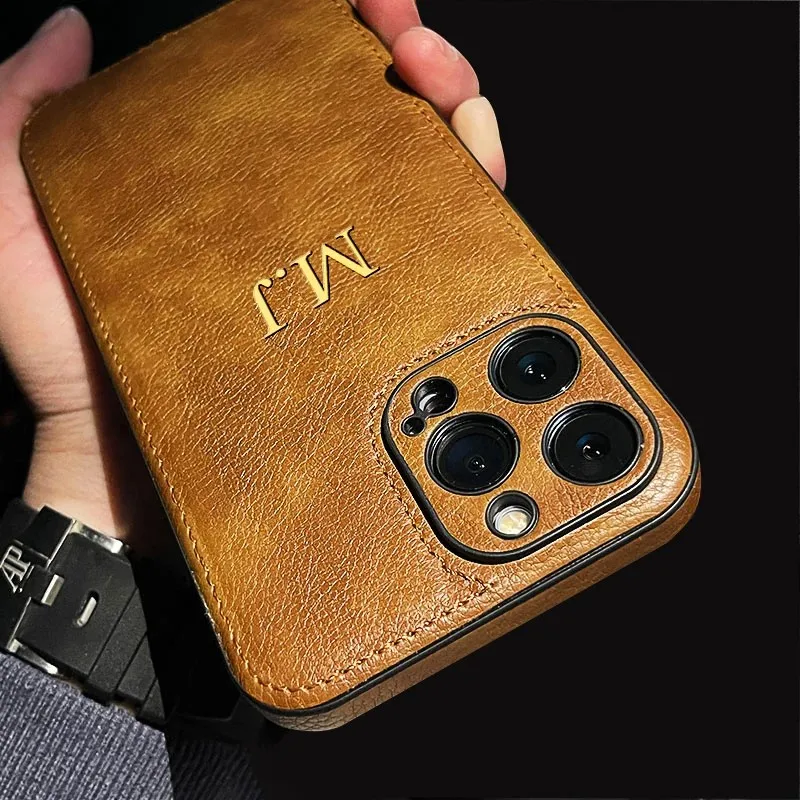
- Natural/Tan: The most dramatic transformation. Starts pale honey, deepens to rich caramel or amber. Shows every mark clearly — maximum character.
- Brown: Deepens to a warm chocolate or cognac tone. Scratches blend quickly. The most forgiving color for beginners.
- Black: Develops a polished, almost mirror-like sheen rather than color change. Edges may lighten slightly to reveal brown undertones. Subtle but sophisticated.
- Green/Navy: Darkens while developing warm undertones. Green cases often shift toward olive or forest tones. Navy can develop almost purple highlights.
Common Concerns (And Why They’re Not Problems)
“My case got scratched on day one”
This is normal and temporary. Surface scratches on new leather look alarming because the surrounding area hasn’t developed patina yet. Within a week or two of regular use, those scratches become invisible as the overall tone evens out.
“The color is uneven”
That’s the point. Uneven coloring means the leather is responding to how you actually use it. The areas you touch most darken first. Over time, the contrast softens into a natural gradient that looks intentional — because it is.
“It looks dirty”
There’s a difference between patina and grime. If your case looks genuinely dirty (food stains, ink marks), a slightly damp cloth will clean surface dirt without affecting the patina underneath. True patina is in the leather, not on it.
Why Patina Makes Leather Worth the Investment
Every silicone or plastic case looks its best the day you buy it. From there, it’s a slow decline — yellowing, peeling, stretching. Leather is the opposite. Day one is the least interesting it will ever look.
A leather case with six months of patina is genuinely one-of-a-kind. No two develop identically because no two people use their phones the same way. It’s a small daily luxury that rewards patience.
If you’re ready to start your own patina journey, CaseLevo’s full-grain leather cases are built specifically to age beautifully. Available in natural tan, brown, and black — each one a blank canvas for the patina only you can create.
